The rain is coming down in sheets, the wind howls off Puget Sound, and suddenly, your Seattle home feels colder than ever. Your furnace, that reliable workhorse, has just gone silent.
That pit in your stomach tells you it's not just chilly – it’s an emergency. You know what a truly bitter Seattle winter night feels like without heat, and finding a quick solution feels like a frantic race against dropping temperatures.
Before you resign yourself to bundling up indoors or frantically searching online for "HVAC near me" at 2 AM, know this: there are crucial steps you can take right now.
Understanding these immediate, emergency furnace fixes can often prevent a complete meltdown and keep your family warm. Let's uncover how to identify common furnace problems and what to do before professional help arrives.
Initial Troubleshooting: Your First Response to a Cold Home
When your Seattle home goes cold, your gut reaction might be panic. But hold on a second. Before you jump to conclusions about a catastrophic breakdown, there are a few simple, often overlooked checks that can sometimes save you a service call – or at least buy you some precious time.
Think of it as your personal first-aid kit for a struggling furnace. You’re looking for the low-hanging fruit, the obvious culprits that frequently interrupt your heat. These quick actions can either restore warmth or provide critical information for the professionals when they arrive.
The Quick Check List: Don't Skip These Steps
- Is it Powered On? This sounds basic, but it’s amazing how often people overlook the furnace switch. Ensure it’s set to "ON" and not "OFF."
- Check Your Breaker Box: A tripped circuit breaker is a common culprit. Locate your electrical panel and look for any tripped breakers, especially those labeled for your furnace or HVAC. Flip it completely off, then firmly back to the "ON" position.
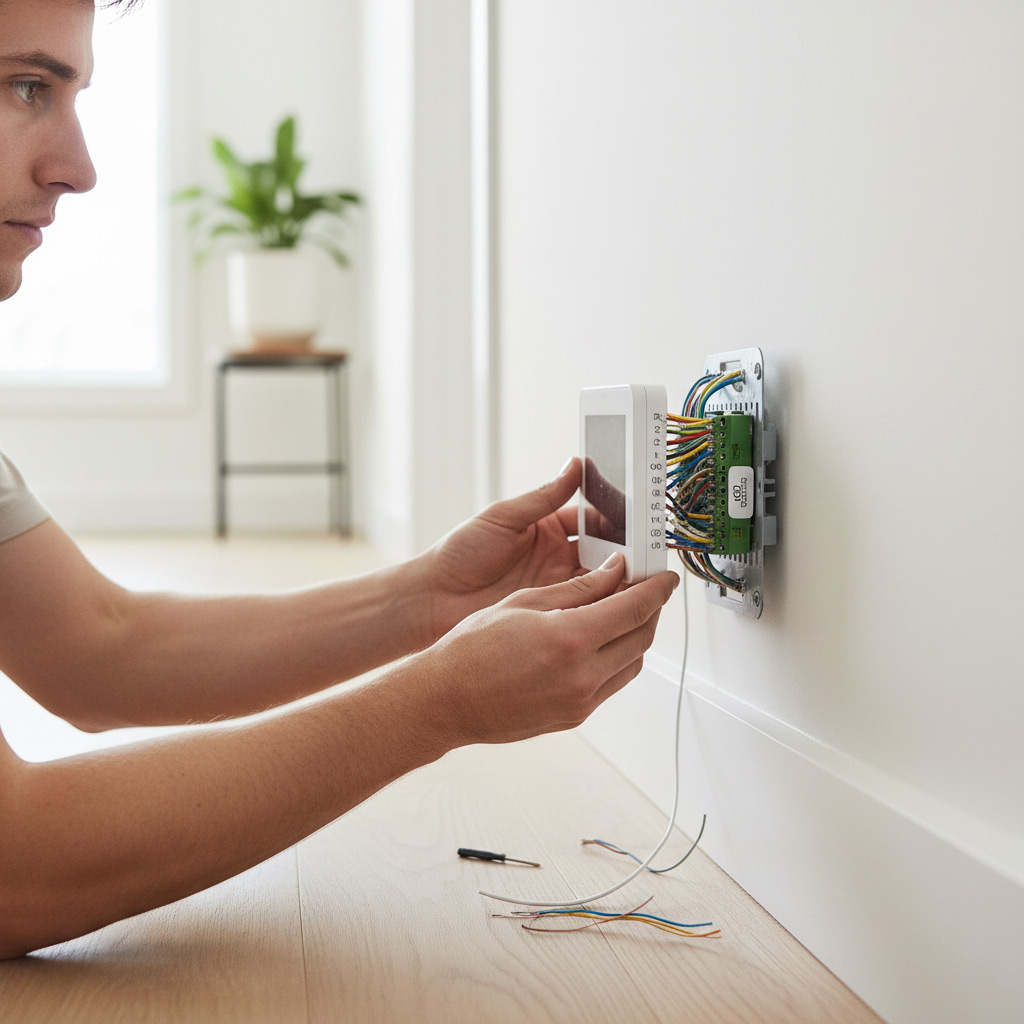
- Thermostat Settings: Is your thermostat set to "HEAT" and the temperature higher than your current room temperature? Don't laugh, it happens! Also, check if it's running on batteries and if they need replacing. Weak batteries can cause all sorts of strange behavior.
- Examine the Air Filter: A severely clogged air filter can restrict airflow, causing your furnace to overheat and shut down. Pull out your filter and visually inspect it. If it’s thick with dirt and debris, that might be your immediate issue.
Taking these initial steps can sometimes magically bring your furnace back to life. If not, you've at least ruled out the simplest issues, which will help our technicians diagnose the real problem faster when they arrive. This isn't just about saving money; it's about getting your heat back into your Seattle home ASAP.
Common Furnace Problems & What They Mean for Seattle Homeowners
When your furnace goes kaput, it usually shouts (or whispers) its troubles in a few distinct ways. For many Seattle homeowners, the first sign is often a complete lack of warm air pushing through the vents. This isn't just uncomfortable; it's a stark warning that something critical has stopped, and it means your comfort is on the line.
The Silent Treatment or Sudden Stops
Often, the problem isn't catastrophic yet. It might be something relatively simple like your thermostat acting up – batteries dead, or settings accidentally changed. Or perhaps the circuit breaker for your furnace has tripped, cutting off power. A quick check can sometimes restore heat in minutes.
- No power: Check your home's main electrical panel for a tripped breaker labeled "Furnace" or "HVAC." This is a surprisingly common fix.
- Pilot light out: If you have an older furnace, a blown-out pilot light means no flame to ignite the gas. No flame, no heat, simple as that.
- Ignition failure: Modern furnaces rely on electronic igniters. If they fail, the furnace won't fire up, leaving you in the cold.
Whispers, Whines, and Weak Warmth
Sometimes, your furnace is running but it's just not doing its job well. You might hear unsettling noises – squeals, bangs, or rattles – which signal mechanical distress. Or maybe you're getting some heat, but it's weak and inconsistent, leaving cold spots around your home.
- Strange noises: A screeching sound often means a dying motor bearing. Banging could be a dirty burner or ignition issue. These are not sounds to ignore.
- Cold spots: This might point to a clogged air filter restricting airflow, or even blocked vents in certain rooms. Poor airflow chokes your system.
- Short cycling: Your furnace turns on, heats for a short time, then shuts off, only to repeat the process soon after. This is inefficient and can indicate an airflow problem or thermostat malfunction.
Understanding these initial symptoms is crucial. They aren't just minor inconveniences; they're signals your heating system is under stress. Ignoring them can quickly escalate a small fix into a major, costly repair when Seattle's true cold hits. Every strange sound or lack of warmth means your system is trying to tell you something important.
When to Call the Pros: Recognizing Serious Furnace Issues
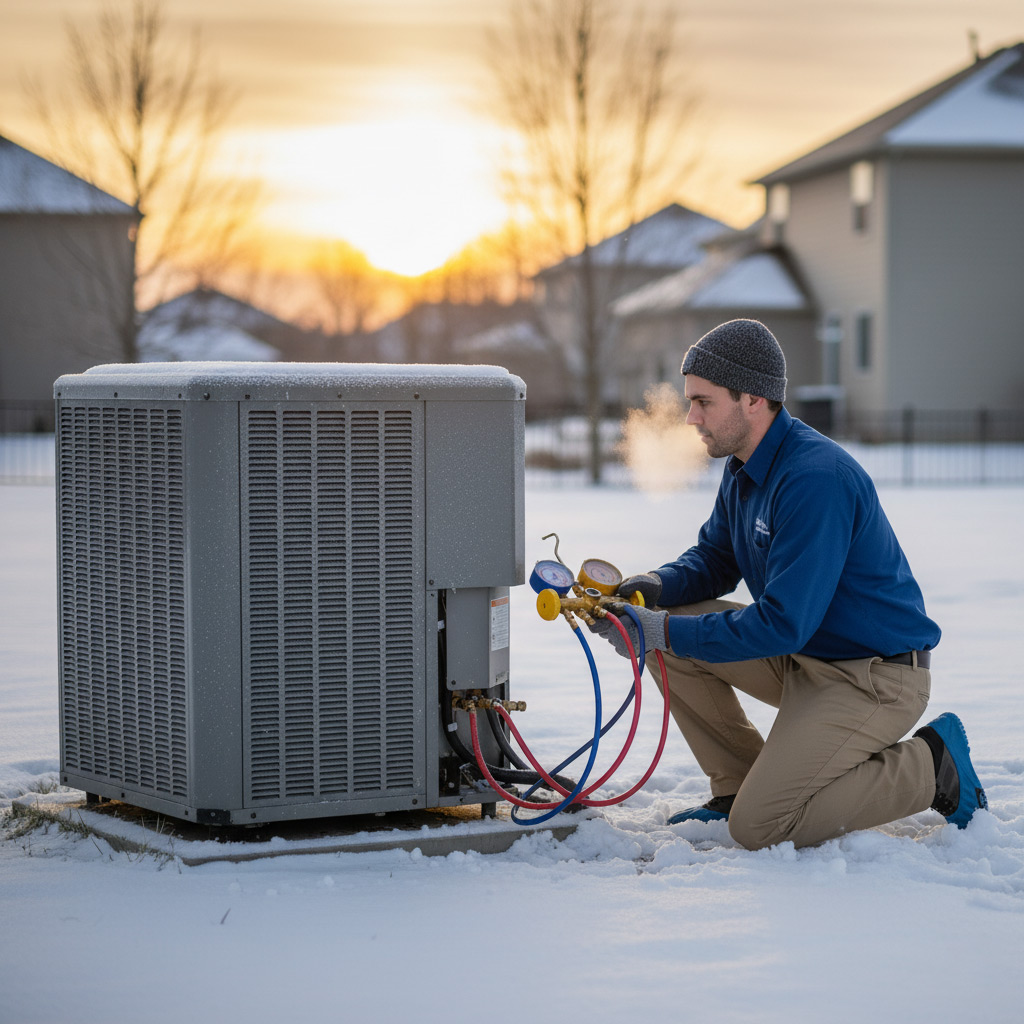
You’ve tried the thermostat. You’ve checked the pilot light, the filter, and even the circuit breaker. If your Seattle home is still an icebox, it’s time to face facts: some problems are simply beyond a quick DIY fix. This isn't about saving a few bucks; it's about safety and preventing a total system shutdown when you need warmth most.
Immediate Danger Signals: Don't Wait!
There are red flags that scream "Call a pro NOW!" If you smell natural gas, even faintly, evacuate your home immediately and call your gas company and then us. A cracked heat exchanger, a silent killer, can leak carbon monoxide. Symptoms like dizziness, nausea, or a persistent headache when the furnace is running are critical indicators. Don't gamble with your family's health.
Beyond gas leaks, listen closely. Is your furnace making loud banging, grinding, or screeching sounds that never stop? Or perhaps it’s repeatedly cycling on and off, unable to maintain heat? These aren't minor hiccups. They often point to significant mechanical failures, electrical issues, or a failing motor. Trying to fix these yourself can cause more damage, turn a repair into a replacement, or worse, create a fire hazard.
Why Waiting Can Be Dangerous: The Risks of a Failing Furnace in Seattle's Winter
Seattle winters are more than just damp; they’re a bone-chilling cold that seeps into everything. Ignoring a struggling furnace isn't merely uncomfortable; it’s a direct gamble with your family's health and the integrity of your home. Think about hypothermia, a serious threat to the elderly, infants, and anyone with compromised health when the indoor temperature plummets.
Beyond personal well-being, a sustained cold snap in your home quickly leads to frozen pipes. This isn't just a potential plumbing repair bill; it’s a flood risk, a structural damage nightmare, and a massive disruption that turns your world upside down. That minor furnace hum you're ignoring now could very well be costing you thousands in water damage later.
What often begins as a seemingly small furnace hiccup can rapidly spiral into a catastrophic failure. A minor, inexpensive fix today can easily become a full, emergency furnace replacement tomorrow if you hesitate. More critically, a neglected or improperly functioning furnace poses severe safety hazards. We're talking about the silent danger of carbon monoxide leaks—a colorless, odorless gas that can kill without warning. Furthermore, certain electrical or fuel line issues, left unaddressed, can create a serious fire hazard right within your walls. This isn't just about comfort; it's about genuine safety.
A Real Seattle Story: Emergency Furnace Repair in Action
Picture this: It was a brutal Tuesday night in February. The kind of Seattle night where the rain lashes down sideways and the thermometer barely kisses freezing. The Johnson family, snuggled in their Queen Anne home, suddenly felt that familiar comforting hum from their furnace vanish. Silence. Then, the undeniable chill began to creep in, fast.
Panic set in quickly. Mrs. Johnson bundled the kids in extra blankets, while Mr. Johnson frantically checked the thermostat, then the circuit breaker – nothing. He knew trying to fix a complex gas furnace himself in the dark was a recipe for disaster. That’s when he made the smart move: he picked up the phone and called for emergency service, knowing a true Seattle winter waits for no one.
Our certified technician arrived within the hour, armed with diagnostic tools and a mission. After a swift but thorough inspection, the culprit was found: a faulty ignitor, a small but critical component that had simply worn out. Within another hour, the new part was installed, tested, and the comforting warmth began to flow through the vents again. The relief in the Johnson home was palpable. It wasn’t just about fixing a machine; it was about restoring safety and peace of mind in the face of a raw Seattle night.
Proactive Steps: Preventing Your Next Winter Furnace Emergency
Listen, when your furnace goes silent on a freezing Seattle night, you're not just losing heat; you're losing peace of mind. The single best way to avoid that gut-wrenching moment? Regular, professional maintenance.
Think of it like this: you wouldn't drive your car for years without an oil change, right? Your furnace is no different; it's a complex machine designed to work hard when you need it most.
An annual tune-up from certified technicians catches small problems before they morph into catastrophic failures. This isn't just about preventing emergencies; it's about extending your system's life, boosting its heating effectiveness, and keeping your energy bills from skyrocketing.
Beyond the pros, you've got some power too. Simple, consistent checks can make a huge difference in avoiding that next cold-home crisis.
Quick Checks You Can Do:
- Change your air filter monthly or every three months, especially during peak heating season. A dirty filter chokes your system, making it work harder, wasting energy, and failing sooner.
- Ensure all heating vents are open and not blocked by furniture, rugs, or drapes. Clear pathways mean heat gets where it needs to go, maintaining comfortable temperatures throughout your home.
- Check your thermostat batteries once a year. A dead battery can mimic a major furnace breakdown when it's just a simple, five-minute swap.
- Keep the area around your furnace clean and clear. Dust, debris, and stored items can impede airflow and create fire hazards.
These aren't complicated, but they're incredibly effective at keeping your furnace humming along, ready to tackle whatever Puget Sound weather throws its way. A little proactive effort now saves you a lot of hassle and cold fingers later.
Final Words
Living in Seattle means accepting the unpredictable chill, but it doesn't mean you have to shiver through a broken furnace. The real secret to staying warm, even when the thermometer drops, isn't just knowing how to troubleshoot; it's about acting quickly and decisively.
Whether it’s a simple filter change or a complex repair, your response time makes all the difference for your comfort and safety. Don't let a minor hiccup become a major freeze-out.
Remember, while initial checks are empowering, knowing when to call in the experts is crucial. A trusted HVAC partner in Seattle ensures your home remains a sanctuary against the elements, not a battleground. They provide not just a fix, but peace of mind.
For any significant furnace issue, or if you just want to ensure your system is ready for whatever winter throws our way, reach out to us. We specialize in reliable furnace repair that keeps Seattle homes cozy and warm, no matter the weather outside.
People Also Ask
What are the first steps if my furnace stops working during a Seattle winter?
First, check your thermostat settings to ensure it's on 'heat' and the temperature is set above the current room temperature. Then, inspect your furnace's circuit breaker in your electrical panel and make sure the gas supply valve is open. These simple checks can often resolve minor issues before needing a professional.How quickly should I expect an HVAC technician for an emergency furnace repair in Seattle?
Most reputable Seattle HVAC companies prioritize emergency furnace repairs, aiming for a rapid response, often within the same day or a few hours, especially during peak winter. It's crucial to contact a local company with 24/7 emergency service to ensure the fastest possible assistance.What are common furnace problems that require emergency repair in Seattle?
Common emergency issues include a complete lack of heat, strange grinding or squealing noises, strong gas odors, or frequent cycling on and off without adequately heating your home. These symptoms indicate significant underlying problems that need immediate professional attention to prevent further damage or safety risks.Is it dangerous to wait for furnace repair when it's cold in Seattle?
Yes, waiting to repair a failing furnace in Seattle's cold winter can be dangerous, risking frozen pipes, hypothermia, and potential carbon monoxide leaks from malfunctioning units. Prompt repair ensures your family's safety and protects your home from costly damage due to freezing temperatures.How can I prevent a furnace emergency in my Seattle home next winter?
Regular professional furnace maintenance, ideally annually before winter, is the most effective preventative measure. This includes changing air filters monthly, ensuring vents are clear, and addressing any minor issues promptly, which can significantly reduce the likelihood of a sudden breakdown.
Seattle HVAC offers a depth of experience in residential and commercial climate control systems. Their team provides reliable heating, ventilation, and air conditioning solutions throughout the Seattle community. They are dedicated to delivering quality service designed for local homes and businesses.
Need HVAC?
Expedited solutions that drive tangible results for businesses and residents throughout Seattle, WA, and surrounding areas.
Instant HVAC Quote