You probably think the crisp Seattle air stops at your front door. Think again. The air inside your home could be up to five times worse than what's outside, silently impacting your family's health day in and day out.
From lingering pollen and pet dander to unseen pollutants, your home can become a trap for irritants you can’t even see. This isn't just about dust; it’s about allergies, asthma, and a host of respiratory issues that can take a real toll.
It's time to stop guessing about what you’re breathing and start taking control. Discover exactly what's lurking in your Seattle home's air and the straightforward steps you can take to make your indoor environment truly clean and safe.
Deep Dive into the 'Shock': What's Really in Your Seattle Home's Air?
You’ve heard the numbers: indoor air pollution can be a serious problem. But what does that actually mean for your family living right here in Seattle? It means microscopic invaders are circulating through your living spaces, often at levels far exceeding outdoor pollution.
It's not just the stuff you see, like dust bunnies. We're talking about a cocktail of invisible airborne particles, gases, and allergens that can turn your home into a hazard zone. Think about what your family brings in and what your house naturally generates.
The Unseen Culprits
- Pollen and Outdoor Allergens: Despite common belief, these don't stop at your front door. Seattle's lush greenery means a constant influx of pollen, and it easily finds its way inside, especially during peak allergy seasons.
- Pet Dander: If you have furry friends, you're constantly living with their microscopic skin flakes and proteins. These are major allergy triggers for many.
- Mold Spores: Given Seattle's famously damp climate, mold is a pervasive concern. Spores thrive in moist environments and can proliferate silently behind walls, under sinks, or in crawl spaces, releasing irritants into your air.
- Volatile Organic Compounds (VOCs): These are emitted from everyday items – paint, furniture, cleaning supplies, air fresheners, even cosmetics. They off-gas harmful chemicals directly into your breathing space.
- Dust Mites: These microscopic arachnids live in bedding, carpets, and upholstered furniture. Their waste products are potent allergens, constantly circulating.
- Bacteria and Viruses: Especially during cold and flu season, these airborne pathogens get trapped and recirculate in your home's closed environment, increasing transmission risks.
The Invisible Impact: Health Risks Your Family Faces from Poor Indoor Air
You might dismiss that persistent cough or constant fatigue as just "part of life" or "Seattle weather." But what if those nagging symptoms are a direct result of the air you’re breathing right now, inside your own home? The truth is, poor indoor air quality isn't just uncomfortable; it's a genuine threat to your family's vitality.
Think about the immediate consequences. You could be experiencing headaches, irritated eyes, nose, and throat, or even dizziness more often than you should. These aren't minor annoyances; they're your body signaling distress from irritants like dust mites, mold spores, and airborne chemicals that bombard your system with every breath.
Beyond the instant discomfort, the long-term stakes are far higher. Chronic exposure to indoor pollutants is linked to serious health problems. This isn't scare tactics; it's medical fact:
- Exacerbated Allergies and Asthma: For those with sensitivities, bad indoor air turns their home into a trigger factory, leading to more frequent and severe attacks.
- Respiratory Infections: Compromised air quality weakens your immune defenses, making your family more vulnerable to colds, flu, and other respiratory illnesses.
- Reduced Cognitive Function: Studies show that poor air quality can even affect concentration and productivity, making it harder for kids to learn and adults to focus.
- Increased Risk of Serious Disease: Over time, certain pollutants can contribute to the development of more severe conditions, including various forms of lung disease.
Children, the elderly, and anyone with existing respiratory conditions are especially vulnerable. Their developing lungs or weakened immune systems simply can't handle the constant assault. Protecting your home's air means protecting their future health, pure and simple.
Beyond the Obvious: Pinpointing the Sources of Indoor Pollution in Seattle Homes
You might point to an open window and blame the pollen, but the truth is, many significant pollutants are actually homegrown. Seattle's famously damp climate, for example, is an open invitation for `mold and mildew` to thrive in basements, bathrooms, and even behind walls you can't see.
These aren't just ugly stains; they release spores and mycotoxins that circulate, becoming a constant presence you breathe in every day. The dampness creates a breeding ground, turning hidden corners of your home into a low-grade biological factory.
But it goes deeper than just moisture. Think about what you *do* in your home and the materials within it:
Everyday Culprits Hiding in Plain Sight:
- Cooking Fumes: Your gas stove, while great for making dinner, releases nitrogen dioxide and even carbon monoxide. Even electric cooking can generate ultrafine particles that invade your lungs.
- Cleaning Products: That "fresh lemon" scent often comes from volatile organic compounds (VOCs), which can irritate your respiratory system and contribute to long-term health issues. Check your labels for harsh chemicals.
- Furniture & Flooring: The "new carpet" or "new couch" smell? That's more VOCs off-gassing from adhesives, finishes, and fire retardants, sometimes releasing chemicals for years into your air.
- Pets & Pests: Beyond the obvious pet dander, tiny dust mites are constantly feasting on skin flakes. Their waste is a potent allergen that accumulates in bedding, carpets, and upholstery.
- Outdoor Intruders: Despite closed windows, microscopic particles from pollen, vehicle exhaust, and increasingly, wildfire smoke, find ways inside. Inefficient filtration allows them to sneak in and settle.
These aren't isolated incidents; they build up. Your perfectly sealed, energy-efficient Seattle home, designed to keep the cold out, can inadvertently trap these pollutants inside. This creates a concentrated stew of airborne irritants, turning your comfortable sanctuary into a `hidden health hazard`.
Your Comprehensive Guide to Breathing Free: Effective Indoor Air Quality Solutions
You absolutely can transform your home's air. It starts with a multi-layered defense. First, consider your HVAC filtration: upgrading to a MERV 13+ filter can trap a significantly higher percentage of tiny particles, from pollen to pet dander. This simple swap makes a huge difference, blocking irritants before they ever circulate.
Beyond your main system, targeted solutions pack a punch. Place high-efficiency particulate air (HEPA) purifiers in bedrooms or high-traffic areas, actively scrubbing the air and providing localized clean zones. Don't overlook the basics either: regular dusting with a damp cloth, vacuuming with a HEPA-filtered vacuum, and proper ventilation during cooking or showering drastically cut down on airborne irritants.
For truly comprehensive air quality, look to integrated HVAC solutions designed to purify and refresh your entire living space. These aren't just band-aids; they're systemic upgrades that make your home a haven.
Whole-Home Air Purification Systems
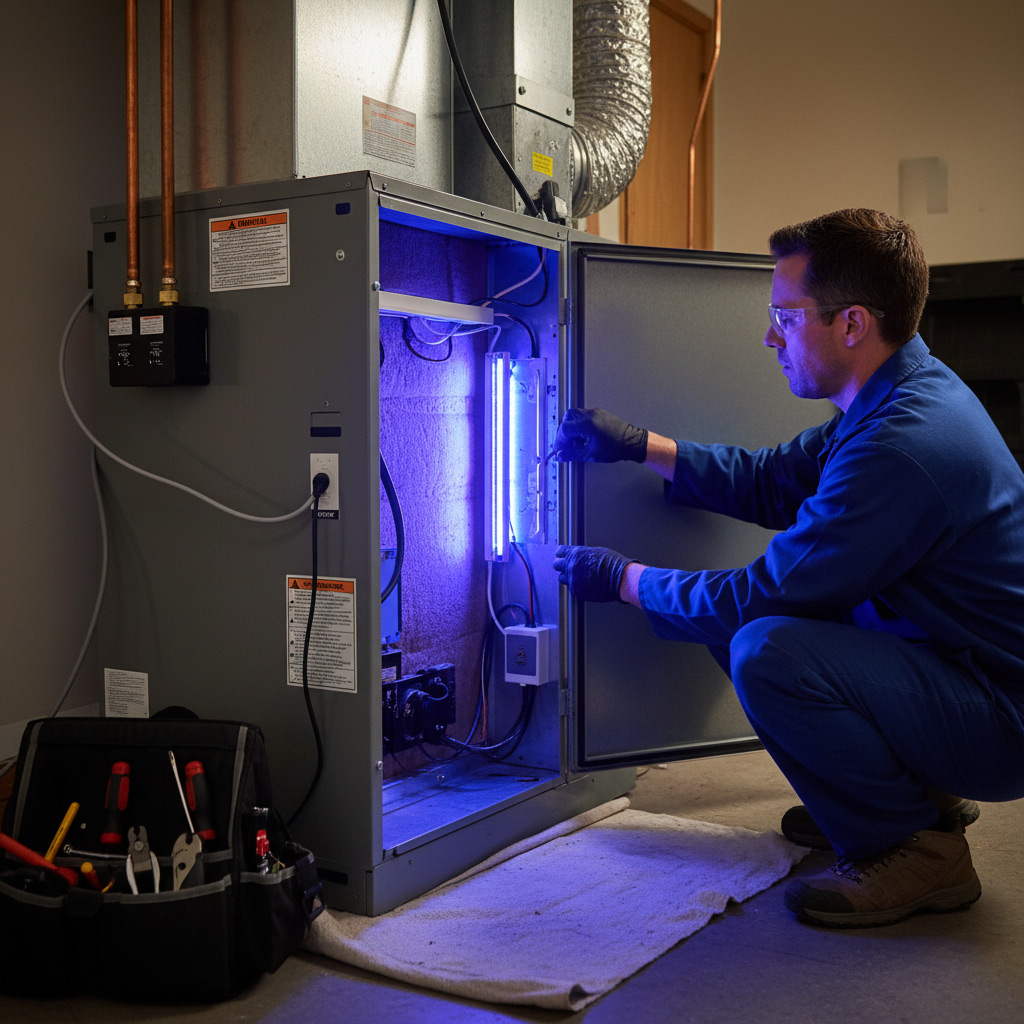
- UV-C Germicidal Lights: Installed within your ductwork, these powerful lights neutralize airborne viruses, bacteria, and mold spores as air passes through your system. It’s a silent, constant guardian against microscopic threats.
- Advanced Filtration: Beyond MERV 13, consider media air cleaners that provide superior capture rates without overly restricting airflow. This ensures your HVAC system runs efficiently while delivering cleaner air throughout your Seattle home.
Proper ventilation is also key, especially in energy-efficient Seattle homes that can trap stale, polluted air. Energy Recovery Ventilators (ERVs) or Heat Recovery Ventilators (HRVs) introduce fresh outdoor air while recovering conditioned air, balancing comfort with continuous purification. This constant exchange means fewer trapped odors, VOCs, and CO2 buildup.
Finally, don't underestimate the power of expert assessment and maintenance. Your HVAC system is the lungs of your home, and regular professional tune-ups ensure it's operating at peak performance, circulating clean air, not just recirculating problems. This includes everything from duct cleaning to verifying proper airflow and system integrity.
A professional inspection can pinpoint hidden issues, like leaky ducts or inadequate ventilation, and recommend tailored solutions specific to your home's layout and your family's needs. This isn't a one-size-fits-all problem; it demands a personalized solution for lasting peace of mind and genuine health protection.
Tailored for Seattle: Advanced Systems and Strategies for Peak Home Air Quality
Seattle’s unique climate, with its persistent dampness and distinct allergen seasons, demands more than just standard solutions for truly clean air. You need systems designed to handle our specific challenges, not just generic fixes. This is where advanced HVAC technologies become your home’s best defense against unseen pollutants.
Think about investing in an Energy Recovery Ventilator (ERV). Unlike simply opening a window, an ERV continually brings in fresh outdoor air while expelling stale indoor air, but here's the kicker: it recovers energy and manages humidity. This means you get constant fresh air without sending your heating or cooling costs through the roof or inviting in unwanted moisture, which is a big win for Seattle homes prone to dampness.
Beyond proactive ventilation, precision filtration is non-negotiable. Forget those flimsy, cheap filters. We’re talking about upgrading to high-MERV filters (MERV 13 or higher), capable of trapping microscopic particles like pollen, pet dander, mold spores, and even finer urban pollutants that penetrate standard barriers. For an additional layer of protection, consider a whole-home air purification system. These systems integrate directly with your HVAC, using technologies like UV-C lights to sterilize bacteria and viruses in your ductwork, or advanced filtration media to neutralize odors and Volatile Organic Compounds (VOCs) that can off-gas from furniture and cleaning products.
Success Story: How One Seattle Family Transformed Their Indoor Environment
Meet the Millers, a family of four living in a charming 1960s home in West Seattle. For years, their son struggled with seasonal allergies that seemed to last all year inside. Their daughter often woke up with stuffy noses, and Mrs. Miller consistently felt a low-grade fatigue, attributing it to the Seattle gloom.
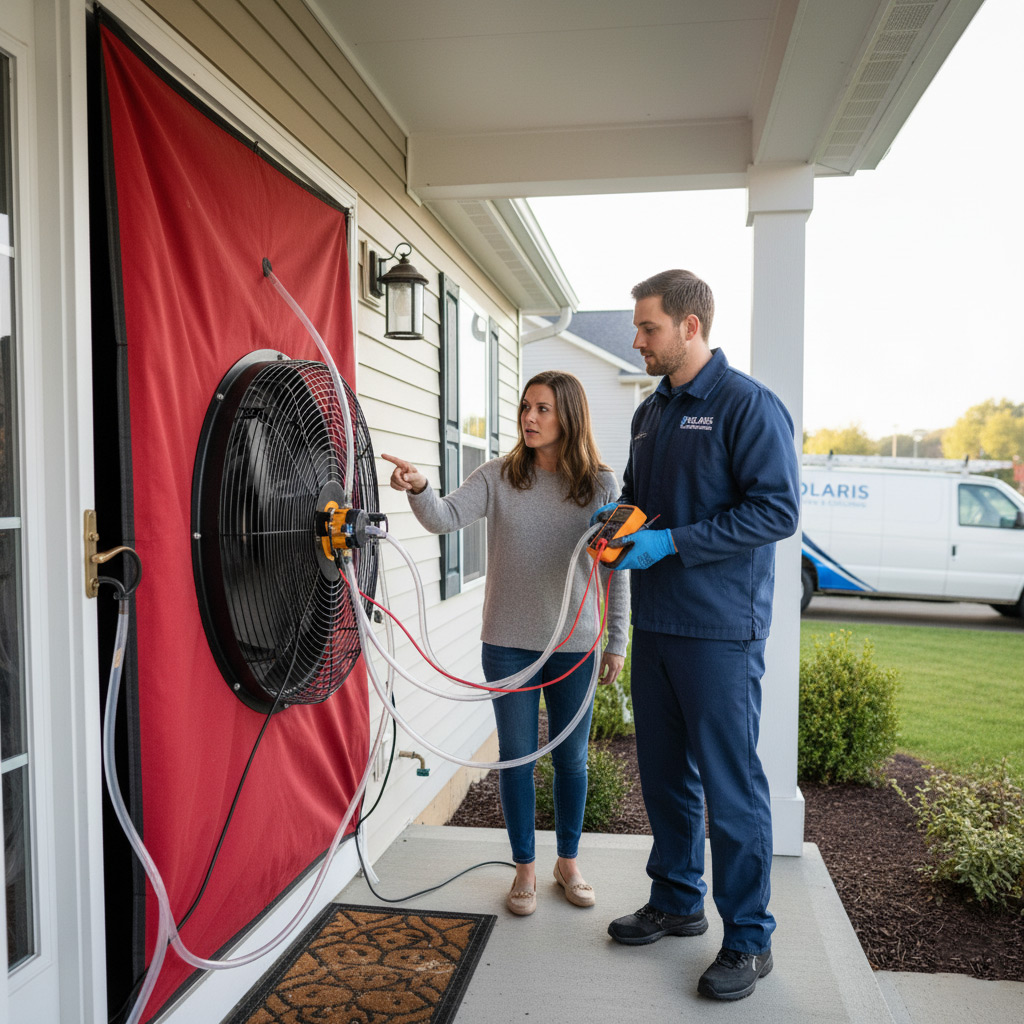
They’d tried everything from air purifiers bought online to aggressive dusting, but nothing truly cleared the air. After reading about the hidden dangers of indoor air pollution, they decided it was time for a professional assessment. We conducted a detailed indoor air quality test, revealing elevated levels of pollen, pet dander from their beloved labradoodle, and even some mold spores lurking behind a utility closet.
Our team recommended a multi-pronged approach tailored to their home. We installed a whole-home air purification system with a high-efficiency MERV 13 filter and integrated a dedicated fresh air ventilation system. We also addressed the humidity in their basement, preventing future mold growth. The results? Within weeks, young Ethan's allergy symptoms significantly reduced, and he now sleeps through the night. The whole family noticed a remarkable difference—the air felt lighter, fresher, and Mrs. Miller finally started waking up feeling rested. They got their home back, and more importantly, they got their health back, proving that clean air isn't a luxury, it's a necessity.
Conclusion: Secure Your Family's Health, One Breath at a Time.
You've learned the truth: the air inside your Seattle home likely isn't as clean as you imagine, silently posing risks to your family. The good news is that recognizing this 'shock' is the first, most powerful step toward regaining control. Ignorance isn't bliss when it comes to the air your loved ones breathe every single day.
It's time to stop waiting for symptoms to appear or allergies to flare up. Taking proactive steps ensures your home transforms into a true sanctuary of clean, healthy air, not a hidden pollutant trap. Imagine the peace of mind knowing you've actively protected your family's respiratory health and overall well-being.
Don't let invisible threats dictate your family's health. We can help you identify specific issues and implement proven solutions tailored for your home and Seattle's unique environment. Take action today and reclaim truly clean air; explore our dedicated Indoor Air Quality Solutions to start breathing free.
People Also Ask
What are the main indoor air pollutants affecting Seattle homes?
Seattle homes often contend with common pollutants such as dust mites, pet dander, mold spores from the damp climate, and volatile organic compounds (VOCs) from household products. Additionally, outdoor smoke from wildfires or vehicle exhaust can infiltrate, contributing to indoor particulate matter.How does Seattle's outdoor air quality impact the air inside my home?
Seattle's outdoor air quality, particularly during wildfire seasons or periods of high pollen, can significantly degrade indoor air as pollutants seep in through windows, doors, and ventilation systems. Without proper filtration, these external contaminants become trapped and concentrated indoors.What health risks are associated with poor indoor air quality for families in Seattle?
Poor indoor air quality can lead to a range of health issues, including respiratory problems like asthma and allergies, headaches, fatigue, and irritated eyes or throat. Long-term exposure to certain pollutants can even contribute to more severe conditions, impacting overall family well-being.What HVAC solutions are most effective for improving indoor air quality in Seattle?
Effective HVAC solutions for Seattle homes include installing high-efficiency HEPA or MERV-rated filters, integrating whole-home air purifiers, and considering UV-C light systems to eliminate mold and bacteria. Balanced ventilation systems are also crucial for cycling fresh air without introducing excessive outdoor pollutants.How often should I assess my home's indoor air quality in Seattle?
It's recommended to assess your home's indoor air quality at least annually, or more frequently if family members experience persistent respiratory issues or if there are noticeable odors or visible mold. Regular professional assessments can identify hidden problems and ensure your mitigation systems are working optimally.
Seattle HVAC specializes in dependable heating and cooling services for the Seattle community. With years of experience, their certified technicians deliver quality craftsmanship. They are dedicated to maintaining comfortable indoor environments throughout Seattle, WA.
Need HVAC?
Expedited solutions that drive tangible results for businesses and residents throughout Seattle, WA, and surrounding areas.
Instant HVAC Quote